Carlos Vega

Works (Tap to zoom)
Biography
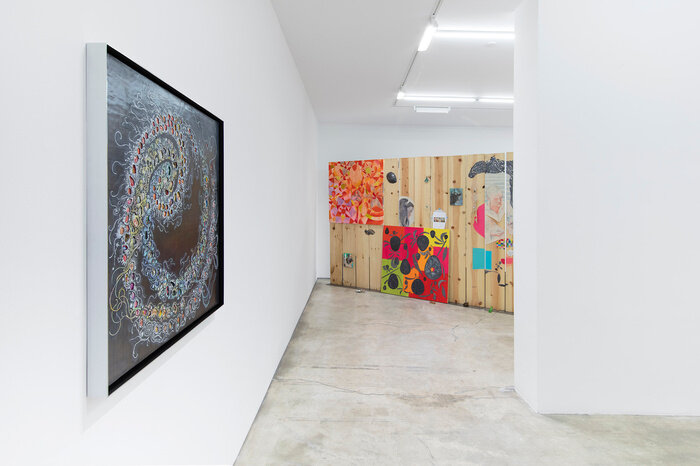
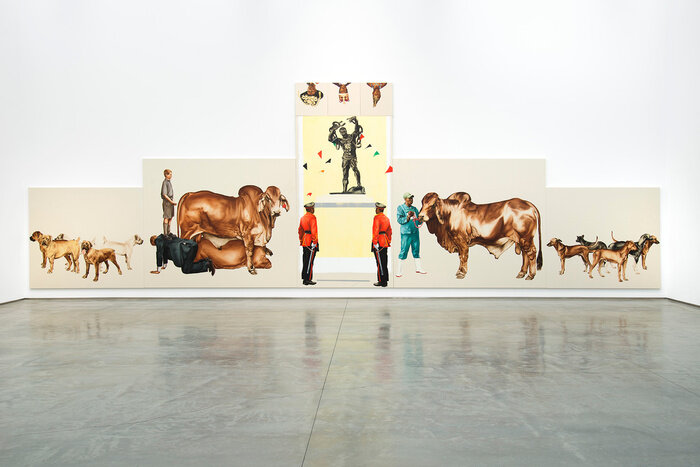
Carlos Vega (b.1963, Melilla, Spain; lives and works between New York and Granada) is inspired by history, mythology and spirituality, fields which he uses as points of departure to explore questions around humanity through painting and mixed-media assemblages. Often incorporating historical documents such as antique ledgers, typed cards from library catalogs, postage stamps, newspapers, and labels, Vega’s work is meticulous and intricate.
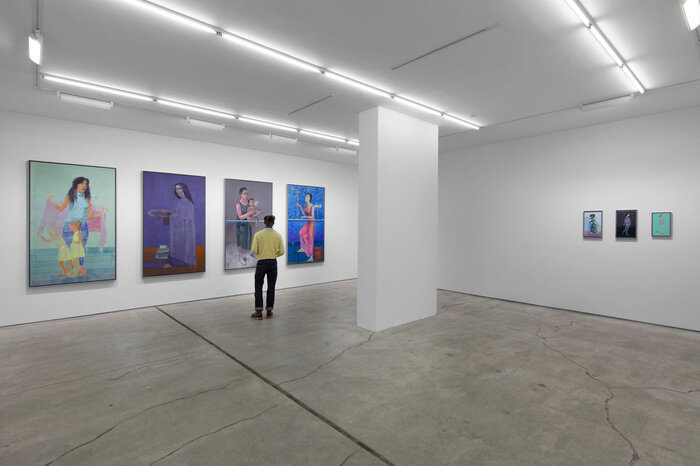
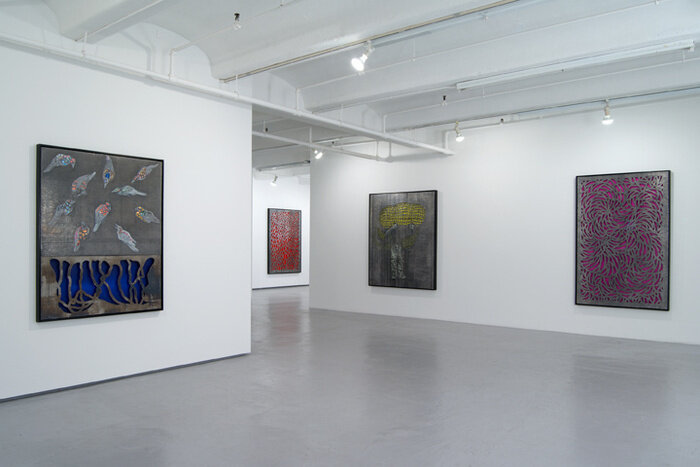
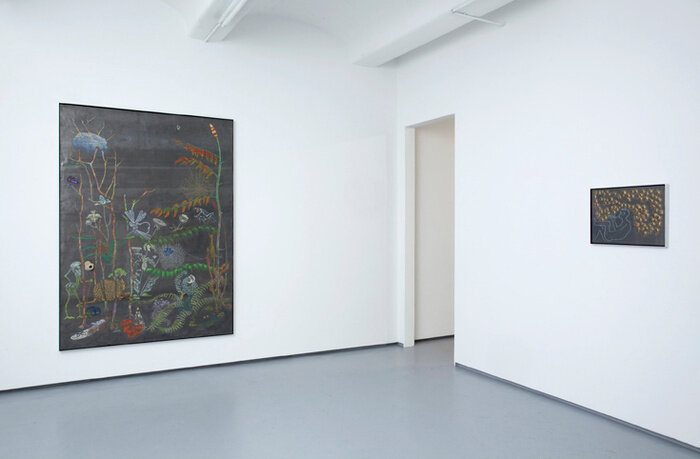
Employing recognizable allegorical iconography – for example trees, with their implicit references to family trees or trees of life, or animals, particularly elephants and donkeys – Vega creates his own visual language. Celestial imagery, especially galaxies and cosmos, are revisited as a frequent theme, nodding to Vega’s examination into a higher power outside of religious dogmas. Deeply knowledgeable of art history and especially old Spanish master painting, Vega’s works often incorporates these references into his canvases – for example, creating a series of spiritual icons for our contemporary world in the form of portraits of twenty-four real and fictional women, including saints, heroines, and goddesses from around the globe – charging them with ever deeper layers of meaning. His work often takes inspiration from moments in history such as the brief period when Christianity, Judaism, and Islam coexisted peacefully, or references his personal history, such as the traditional latticed screens found in his native Melilla.
Just as subject and composition are conveyors of specific meaning, so too are the materials Vega uses, from lead as his substrate to the ephemera he incorporates into it. While far reaching in its combined reference and implication, the use of lead is of particular importance to Vega, rooted as it is in certain religious traditions which understand it as a material capable of purification or transformation. For Vega, lead as a medium inherently recalls the historical study of alchemy, which sought to transmute the metal into gold. Just as this pursuit reflects a unique intersection of philosophy, mysticism, and science, so too does the use of this medium imbue this area of exploration into Vega’s work. His experience in printmaking informs his mark making process, and his lead pieces are composed of elaborate and detailed yet graphic incisions, which Vega suffuses with color to achieve their signature appearance. The recurring use of stamps is a further motif within Vega’s practice, one meant to meant to allude to the unstoppable progress of human societies toward betterment or enlightenment. To Vega, the approximate 150-year life span of this object can be viewed as a sort of microcosm for the values of our societies at large, where the subjects of stamps reflect the current values of the society that created it. Though initial stamps only ever depicted monarchs and rulers, we now see stamps that commemorate poets, or champion social causes – a reflection of our societal growth toward ever greater acceptance.
Exhibitions